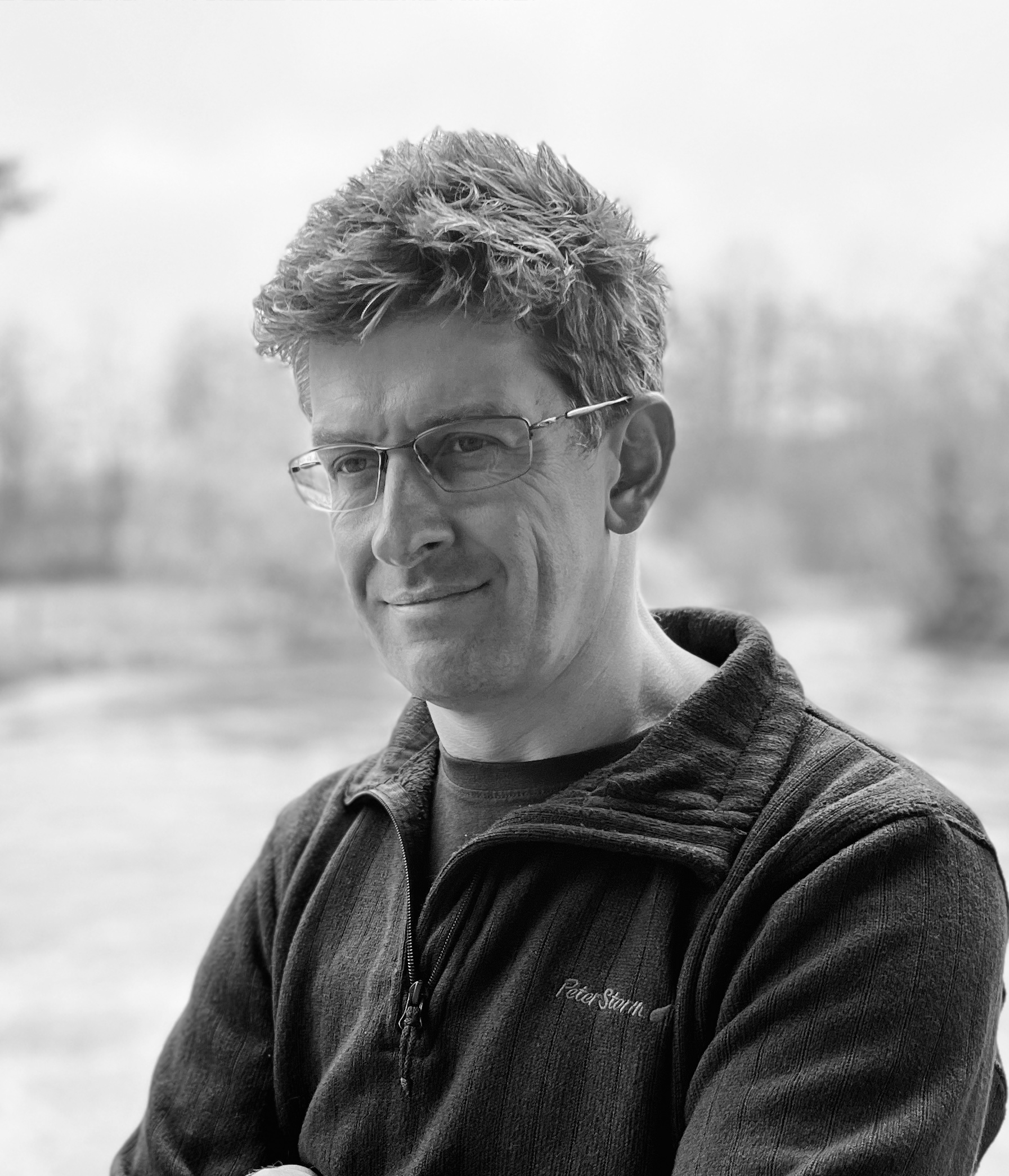
 As a freelance archaeologist and historian specialising in 20th century maritime warfare, I’m lucky enough to work in a field that I’m deeply passionate about. I have been interested in the D-Day landings ever since I was first introduced to Normandy as a seven year old child, and have been researching them professionally for fifteen years.
My work has involved the investigation of numerous vessels that took part in D-Day such as LCT 2428, which sank the night before D-Day, depositing its cargo of tanks on the seabed of the Solent, and LCH 185 when I carried out the historical research for the documentary No Roses on a Sailor’s Grave. Between 2018 and 2020 I was the heritage adviser for the National Museum of the Royal Navy’s restoration of LCT 7074, which now sits outside the D-Day Story Museum in Portsmouth.
On the south coast of England I have researched a number of aspects of D-Day. Following a limited study for the 70th anniversary, an ongoing project is to catalogue the numerous points of embarkation along the coast, including the specially constructed embarkation hards built on beaches between Cornwall and Kent. This work has included archaeological and historical assessments, which have shed new light on D-Day sites in the UK. A study in 2018 led to the recovery of a number Mulberry Harbour Kite Anchors off the Isle of Wight and ongoing research has highlighted the role of embarkation areas such as Lepe Country Park.
Eventually all of my study led to the publication of a book about one of the five D-Day beaches. In time perhaps there will be a book on the other four beaches and the airborne landings as well!
Alongside D-Day I have been researching Coastal Forces for a number of years. In that time I have recorded or advised on the future of a number of historic motor boats and authored the Haynes Manual on Motor Gun Boats, published in 2020. I also assisted with the creation of the Coastal Forces exhibition which opened at the National Museum of the Royal Navy in 2021 and sit on the committee of the Coastal Forces Heritage Trust.
Between 2014 and 2017, I led the research of more than 1,100 First World War shipwrecks along the south coast of England for the Maritime Archaeology Trust’s Forgotten Wrecks of the First World War project. During the project, my colleague Dr Julian Whitewright and I identified two German destroyers dating to the First World War in the middle of Portsmouth Harbour. Previous work has included compiling a comprehensive archaeological desk based assessment of the Second World War archaeology of the New Forest, overseeing a comprehensive study of historic rights of way in Hampshire, and work at Stonehenge. At present I undertake archaeological surveys of the New Forest and sail to various destinations around the world with National Geographic – Lindblad Expeditions as a historian.
© Stephen Fisher
You can also find me online at:




 Stephen Fisher